Pet sleep plays a much bigger role in behavior than most owners realize. A dog that suddenly becomes grumpy, hyper, or destructive may not always need more training. Sometimes, the poor little troublemaker simply needs better rest.
Pets are a lot like humans when it comes to sleep. Lack of proper rest can turn even the sweetest dog into a tiny tornado of chaos. Cats are not much different either. One missed nap and suddenly they act like the entire house personally offended them.
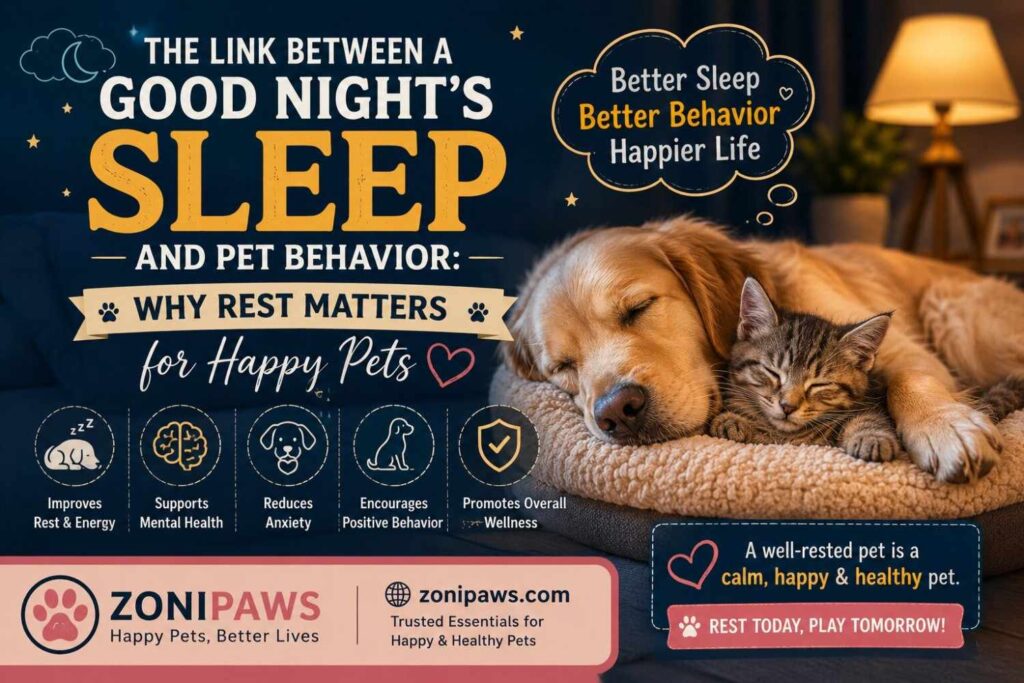
A healthy sleep routine helps pets stay calm, balanced, playful, and emotionally stable. Good rest also supports physical health, learning ability, and stress management.
Many pet owners focus heavily on food, toys, exercise, and grooming while completely forgetting how important sleep actually is. That cozy nap in the corner is not laziness. Your pet’s body and brain are actively recharging.
Sleep helps pets recover both mentally and physically. Energy levels, emotional stability, memory, and overall mood are all connected to rest.
Animals use sleep to:
Puppies and kittens especially need enormous amounts of sleep because their bodies are still developing. Adult pets also rely heavily on proper rest to maintain stable behavior.
| Pet Type | Average Sleep Per Day |
|---|---|
| Puppies | 18–20 hours |
| Adult Dogs | 12–14 hours |
| Senior Dogs | 14–18 hours |
| Cats | 12–16 hours |
| Kittens | 18–22 hours |
Cats somehow manage to sleep like full-time professionals while still acting exhausted afterward.
Behavior changes are often one of the first signs of sleep problems.
A tired pet may become:
Some pets become unusually quiet when tired. Others decide your furniture is their personal emotional support chew toy.
Calm pets may become reactive or impatient.
Sleep-deprived pets often become noisier.
Late-night energy bursts sometimes point to poor daytime rest.
Tired pets struggle to focus and learn.
Poor sleep can raise stress levels significantly.
Anxiety and sleep problems often create a frustrating cycle.
A stressed pet struggles to sleep properly. Poor sleep then increases anxiety even more. Suddenly your dog is barking at absolutely nothing except possibly ghosts or suspicious leaves.
Environmental stress can affect sleep quality heavily.
| Sleep Disruption | Possible Effect |
|---|---|
| Loud noise | Anxiety and restlessness |
| Too much screen noise | Interrupted sleep |
| Uncomfortable bedding | Frequent waking |
| Poor room temperature | Restlessness |
| Separation anxiety | Night pacing |
| Lack of routine | Unstable sleep schedule |
Creating a calm sleep environment can improve behavior faster than many owners expect.
Pet owners looking to create a more calming and emotionally secure environment for nervous pets often explore specially designed comfort and anxiety support essentials for pets that help encourage relaxation and better nighttime routines.
Training becomes much harder when pets are tired.
Dogs process learning during periods of rest. Sleep helps strengthen memory and improves focus. A well-rested pet usually learns commands faster and responds better.
Sleep-deprived pets often:
Trying to train an exhausted puppy can feel like negotiating with a tiny furry comedian who refuses to take life seriously.
New puppy owners are often surprised by how much puppies sleep.
Those adorable little fluff balls may suddenly collapse mid-play like their batteries completely died. That behavior is perfectly normal.
Puppies need extra sleep because:
Interrupting puppy sleep too often can lead to cranky behavior and overstimulation.
A sleepy puppy is usually a happy puppy.
Cats operate on their own strange timeline.
One moment they are sprinting through the hallway at 3 AM like furry race cars. The next moment they sleep for seven straight hours in a cardboard box.
Cats naturally sleep more because they are biologically wired for energy conservation. Deep sleep helps maintain emotional balance and physical health.
A stressed or poorly rested cat may:
Cats are masters at pretending they do not care about anything while secretly caring about absolutely everything.
Overtired pets can become reactive and impatient.
Dogs especially may show:
Sleep supports emotional regulation, which helps pets respond more calmly to daily situations.
Many behavior issues improve significantly once pets establish healthier sleep patterns.
A proper sleeping space makes a huge difference.
Pets need comfort, security, and consistency.
Supportive beds help joints and muscles relax.
Constant noise can interrupt deep sleep cycles.
Pets thrive on predictable schedules.
Too much heat or cold affects sleep quality.
Anxious pets sleep better when they feel safe.
Tiny details matter more than people think.
A healthy amount of exercise improves sleep quality.
Pets that never release energy often struggle to settle down properly. Balanced physical activity helps the body relax naturally later.
Too much exercise right before bedtime can sometimes create the opposite effect though. Some dogs suddenly act like they drank five cups of coffee.
Food and sleep are more connected than many owners realize.
Poor eating habits may lead to:
Pets generally sleep better when:
Nobody sleeps peacefully after questionable midnight snacks. Pets understand this too.
Older pets often experience different sleep patterns.
Senior dogs and cats may:
Joint pain, aging, and reduced mobility can interfere with sleep quality.
| Tip | Benefit |
|---|---|
| Orthopedic bedding | Joint comfort |
| Warm sleeping area | Better relaxation |
| Gentle evening routine | Reduced stress |
| Regular wellness checks | Detect hidden discomfort |
Older pets deserve extra patience because aging affects sleep naturally.
Anyone who has seen a dog twitching, kicking, or softly barking during sleep has probably wondered about dreams.
Scientists believe many animals experience dream-like sleep stages similar to humans.
Possible signs of dreaming:
Your dog may actually be dreaming about chasing squirrels or finally catching the mailman.
Modern homes create more distractions than ever.
Bright lights, TVs, phones, and constant noise can affect pets too. Animals notice environmental stimulation much more than people realize.
Creating quiet nighttime habits benefits both pets and owners.
Pets love structure.
A consistent routine helps their bodies understand when it is time to relax.
Routine reduces uncertainty, which lowers stress levels naturally.
Good sleep improves emotional stability dramatically.
Well-rested pets usually appear:
Poor sleep creates emotional tension that affects daily behavior.
A pet that feels emotionally balanced often behaves better overall.
Some sleep problems may point to underlying health conditions.
Professional guidance may help identify hidden issues like pain, anxiety, or medical conditions.
Pets develop truly strange sleeping habits.
Cats especially treat sleep positions like abstract art projects.
Pet sleep affects owners too.
A restless dog pacing at midnight or a cat launching surprise parkour sessions at 4 AM can destroy human sleep quickly.
Better pet sleep often improves:
Everybody wins when pets rest properly.
| Action | Why It Helps |
|---|---|
| Create bedtime routine | Reduces anxiety |
| Use comfortable bedding | Supports relaxation |
| Reduce loud noise | Improves sleep quality |
| Encourage daytime activity | Helps nighttime rest |
| Keep feeding schedule stable | Supports routine |
Small changes often create noticeable results surprisingly fast.
A good night’s sleep affects pets far more than many people realize. Behavior, mood, learning ability, anxiety levels, and overall emotional health are all deeply connected to rest.
Pets that sleep well tend to:
Creating a peaceful sleep environment is one of the simplest ways to improve your pet’s quality of life. Better sleep can transform chaotic behavior into a calmer and happier daily routine.
A comfortable pet is usually a better-behaved pet.
Also, fewer midnight zoomies means everyone in the house gets more peace too.
Most adult dogs sleep around 12 to 14 hours each day, while puppies and senior dogs often need much more.
Yes. Sleep deprivation may increase irritability, anxiety, and reactive behavior.
Cats naturally sleep longer than humans because their bodies are designed for energy conservation.
Absolutely. Stress and anxiety can make pets restless and interrupt healthy sleep cycles.
Many experts believe dogs and cats experience dream-like sleep stages.
Consistent routines help pets feel secure and improve sleep quality.
Yes. Loud or constant stimulation may disturb relaxation and rest.
Sudden sleep changes, excessive restlessness, or breathing issues should be discussed with a veterinarian.


Leave a comment